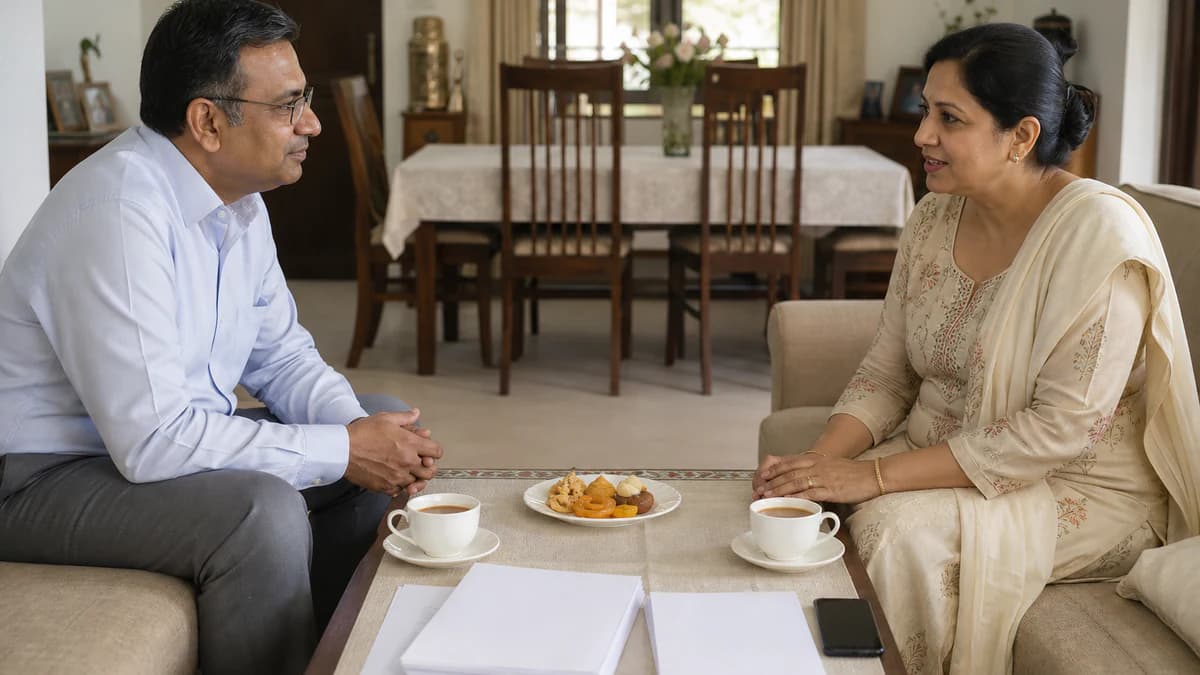
व्यवस्थित विवाहामध्ये, स्पष्टता म्हणजे दयाळूपणा: एक विश्वसनीय बायोडेटा, एक सुसंगत कथा आणि एक संपर्क मार्ग ज्यावर प्रत्येकजण सहमत आहे.
भारतातील विवाहासाठी बायोडेटा फॉरमॅट शोधणारी बहुतेक कुटुंबे आधी डिझाइनवर अडकलेली नाहीत - ती प्रक्रियेवर अडकलेली आहेत. त्याचा मसुदा कोण तयार करतो? त्याला कोण मान्यता देते? WhatsApp वर काय फॉरवर्ड केले जाते? हे मार्गदर्शक एक व्यावहारिक कार्यप्रवाह देते जे पालकांच्या नेतृत्वाखालील आणि उमेदवारांच्या नेतृत्वाखालील परिचयांमध्ये कार्य करते, त्यामुळे तुमचा बायोडेटा गोंधळ निर्माण करण्याऐवजी संभाषणांना समर्थन देतो.
का व्यवस्थित विवाह बायोडेटा प्रक्रिया-प्रथम आहे
डायरेक्ट कॉल होण्यापूर्वी बायोडेटा अनेकदा नातेवाईक, वडील आणि कुटुंब समन्वयक यांच्यामार्फत प्रवास करतो. म्हणजे सातत्य हे सामग्रीइतकेच महत्त्वाचे आहे.
प्रक्रिया अस्पष्ट असल्यास, कुटुंबे जुने मसुदे, चुकीचे क्रमांक आणि मिश्रित आवृत्त्या अग्रेषित करतात.
- प्रथम कुटुंब ते कुटुंब परिचय म्हणून कार्य करते
- व्हॉट्सॲप नेटवर्कद्वारे जलद प्रवास करतो
- एक मंजूर अंतिम आवृत्ती आवश्यक आहे
- फोनवर वाचनीय आणि आवश्यक असल्यास प्रिंट करण्यायोग्य असणे आवश्यक आहे
- उमेदवार आणि पालक संवाद संरेखित केला पाहिजे
बायोडेटा कोणी तयार करून मंजूर करावा
मसुदा पालक, उमेदवार किंवा दोघेही करू शकतात. संचलन होण्यापूर्वी मंजूरीमध्ये नेहमी उमेदवार आणि किमान एक पालक या दोघांचा समावेश असावा.
ही सामायिक मान्यता पहिल्या कॉल दरम्यान टोन जुळत नसणे आणि तथ्यात्मक त्रुटी टाळते.
- उमेदवार वैयक्तिक आणि करिअरच्या तथ्यांची पडताळणी करतो
- पालक कौटुंबिक तपशील आणि संपर्क धोरण सत्यापित करतात
- एक संपादक अंतिम आवृत्ती नियंत्रण व्यवस्थापित करतो
- एक अंतिम PDF सर्व जुने मसुदे बदलते
- संयुक्त साइन-ऑफपूर्वी फॉरवर्डिंग नाही
पहिल्या 30 सेकंदात कोणती कुटुंबे स्कॅन करतात
बहुतेक वडील फोटो, नाव, वय, शिक्षण, शहर, कौटुंबिक संदर्भ आणि संपर्क प्रथम स्कॅन करतात. हे अस्पष्ट असल्यास, सखोल तपशील कधीही वाचले जाऊ शकत नाहीत.
त्यामुळे द्रुत स्कॅनिंगसाठी रचना करा, नंतर पर्यायी खोली जोडा.
- स्पष्ट आणि चालू असलेला फोटो
- नाव आणि वय/DOB सहज दृश्यमान
- सोप्या शब्दात शिक्षण आणि व्यवसाय
- कुटुंब आणि शहर संदर्भ
- प्रथम-संपर्क क्रमांक साफ करा
व्हॉट्सॲप शेअरिंग वि प्रिंट शेअरिंग
व्हॉट्सॲप आता अनेक व्यवस्था केलेल्या परिचयांसाठी डीफॉल्ट पहिले चॅनेल आहे. पण वडिलधाऱ्यांच्या नेतृत्वाखालील औपचारिक बैठकींमध्ये प्रिंट अजूनही महत्त्वाची आहे.
दोन्ही जगामध्ये कार्य करणारे स्वरूप निवडा: लहान स्क्रीनवर वाचनीय आणि A4 वर स्वच्छ.
- वास्तविक PDF वापरा, प्रतिमा स्क्रीनशॉट नाही
- प्रथम सामायिकरणासाठी एक-पृष्ठ स्वरूपना प्राधान्य द्या
- विभाग शीर्षलेख उच्च-कॉन्ट्रास्ट आणि स्पष्ट ठेवा
- औपचारिक बैठकींसाठी छापील प्रती घेऊन जा
- डिजिटल आणि प्रिंट आवृत्त्यांसाठी समान सामग्री वापरा
पालकांच्या नेतृत्वाखालील आणि उमेदवाराच्या नेतृत्वाखालील शोध: समान पृष्ठ, भिन्न जोर
पालकांच्या नेतृत्वाखालील शोधांमध्ये, संपर्क आणि कौटुंबिक संदर्भ लवकर जास्त वजन घेतात. उमेदवारांच्या नेतृत्वाखालील शोधांमध्ये, करिअर आणि जीवनशैलीच्या ओळींवर लवकर चर्चा केली जाऊ शकते.
योग्यरित्या लिहिलेला बायोडेटा आदरयुक्त टोन आणि तथ्ये सुसंगत ठेवून दोन्हीला समर्थन देतो.
- पालक-नेतृत्व: कुटुंबावर जोर द्या आणि मार्ग स्पष्ट करा
- उमेदवाराच्या नेतृत्वाखाली: वैयक्तिक आवाज पॉलिश परंतु औपचारिक ठेवा
- हायब्रीड पध्दत बहुतेक घरांमध्ये उत्तम काम करते
- वडील पुढे जाण्याची शक्यता असल्यास अपशब्द टाळा
- प्रत्येकजण समान अंतिम PDF वापरत असल्याची खात्री करा
काय समाविष्ट करावे आणि नंतर काय ठेवायचे
समोरील मुख्य परिचय फील्ड समाविष्ट करा. परस्पर हितसंबंध स्पष्ट झाल्यावर थेट संभाषणासाठी अत्यंत संवेदनशील तपशील ठेवा.
हे फर्स्ट-शेअर बायोडेटा सुरक्षित आणि उपयुक्त ठेवते.
- समाविष्ट करा: वैयक्तिक मूलभूत गोष्टी, शिक्षण, व्यवसाय, कुटुंब, संपर्क, फोटो
- पर्यायी: कौटुंबिक नियमांवर आधारित समुदाय/कुंडली रेखा
- खाजगी ठेवा: आयडी, गोपनीय आर्थिक दस्तऐवज, अचूक संवेदनशील पत्त्याचे तपशील
- समाविष्ट असल्यास संक्षिप्त प्राधान्ये वापरा
- लांब निबंध आणि अत्यंत फिल्टर टाळा
सामान्य आयोजित-विवाह बायोडेटा चुका
बहुतेक अपयश टाळता येण्याजोग्या प्रक्रियेच्या चुका आहेत: जुन्या आवृत्त्या अग्रेषित, गहाळ संपर्क लेबले किंवा चॅनेलवर न जुळणारे तथ्य.
प्रथम अभिसरण होण्यापूर्वी याचे निराकरण केल्याने प्रतिसादाची गुणवत्ता लक्षणीयरीत्या सुधारू शकते.
- कौटुंबिक गप्पांमध्ये तीन भिन्न मसुदे
- कौटुंबिक-परिचय टोनऐवजी रेझ्युमे-सारखे शब्दरचना
- पहिल्या कॉलसाठी स्पष्ट संपर्क मालक नाही
- जुना फोटो आणि असत्यापित तपशील
- पोर्टल प्रोफाइल आणि बायोडेटा तथ्ये जुळत नाहीत
स्वच्छ अंमलबजावणीसाठी BiodataBliss वर कार्यप्रवाह
एकल प्लॅटफॉर्म प्रवाह वापरा: तपशील भरा, कुटुंबासह पूर्वावलोकन करा, एक मंजूर PDF अंतिम करा, नंतर शेअर करा. हे गोंधळ कमी करते आणि पुन्हा काम करते.
टेम्पलेट पूर्वावलोकन आपल्याला आपल्या वास्तविक सामायिकरण चॅनेलशी शैली जुळविण्यात मदत करते.
- एकदा मार्गदर्शित विभाग भरा
- उमेदवार आणि पालकांसह एकत्रितपणे पुनरावलोकन करा
- प्रथम फोन वाचनीयतेसाठी पूर्वावलोकन करा
- चॅनेलच्या गरजेनुसार टेम्पलेट निवडा
- एक मंजूर अंतिम फाइल डाउनलोड करा आणि प्रसारित करा
अंतिम टीप
भारतात आयोजित विवाहासाठी सर्वोत्तम बायोडेटा फॉरमॅट हा आहे जो तुमचे कुटुंब अतिरिक्त स्पष्टीकरणाशिवाय आत्मविश्वासाने फॉरवर्ड करू शकते: एक मंजूर आवृत्ती, स्पष्ट तथ्ये, आदरयुक्त टोन आणि संपर्क मार्ग जो कार्य करतो.
सुरू करा आत्ताच बायोडाटा तयार करा, नंतर डिझाइन्सची तुलना करा टेम्प्लेट्सचेकआउट करण्यापूर्वी.
कुटुंब-फॉरवर्ड बायोडेटा तयार करण्यास तयार आहात? बायोडेटाब्लिसवर मार्गदर्शित फॉर्म विनामूल्य भरा, मोबाइलवर पूर्वावलोकन करा आणि पीडीएफ डाउनलोड करा नातेवाईक आत्मविश्वासाने शेअर करू शकतात.
आत्ताच बायोडाटा तयार कराhttps://biodatabliss.com/mr/create-biodata(नवीन टॅबमध्ये उघडते)