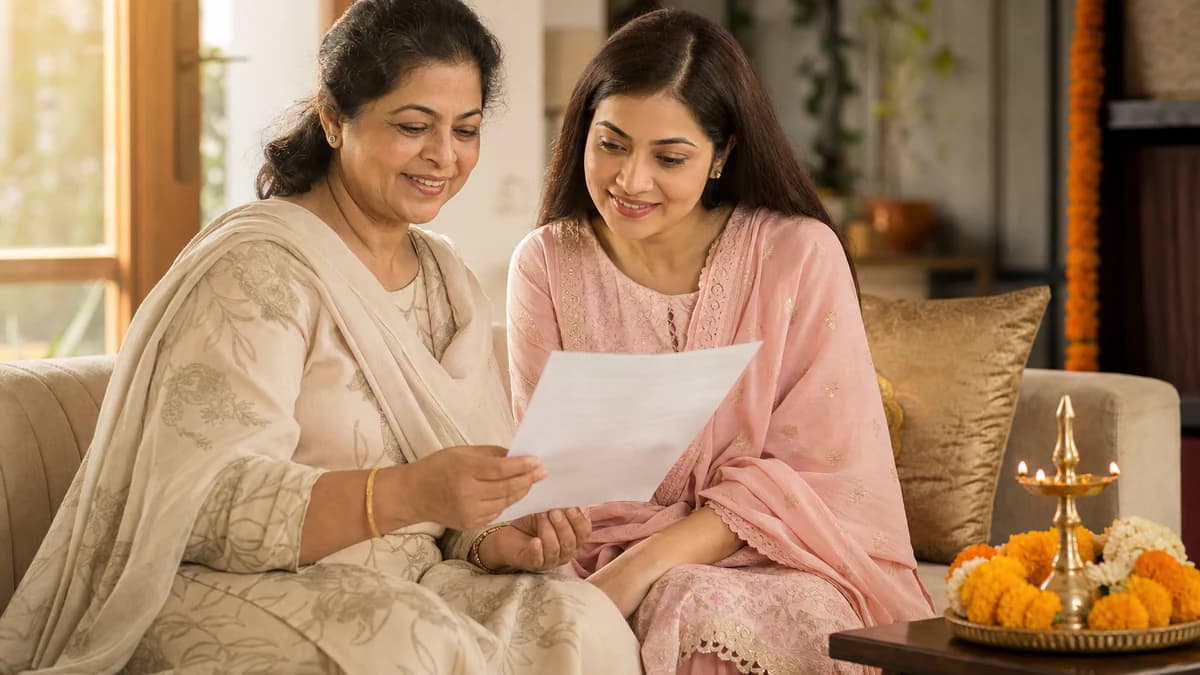
A Hindu marriage biodata is a family greeting card in document form — clear identity, honest background, and the horoscope lines elders actually ask for. Keep it readable, keep it accurate, and let the first PDF earn a phone call.
If you are preparing a marriage biodata format for Hindu marriage, you already know the stakes feel different from a school form. Relatives will open a PDF on a phone, scan your photo, glance at education and family, then look for gotra, rashi, nakshatra, and mangal status before they even decide whether a kundali match is worth scheduling. This guide explains what a Hindu biodata usually includes, what you can keep optional, how traditional and modern BiodataBliss templates change the first impression, and how to build a free print-ready PDF without stuffing the page with every ritual detail your family has ever discussed.
What a Hindu marriage biodata is really for
In many Hindu households, a marriage biodata is the first polite introduction between two families. It is not a job CV and it is not a full kundali report. It is a short, structured profile that helps elders answer three questions quickly: Who is this person? Which family do they come from? Is there enough cultural and horoscope information to continue the conversation?
That is why the marriage biodata format for Hindu marriage often includes lines that a corporate résumé never would. Gotra, rashi, nakshatra, and manglik status matter in communities where chart matching still guides the next step. Religion, caste, and community appear when families want that clarity up front. Kuldevi is optional and usually community-specific.
- Purpose: a respectful first introduction, not a full ritual dossier
- Core filters: identity, education, family, contact, photo
- Hindu-specific lines: gotra, rashi, nakshatra, mangal or manglik status
- Optional community lines: religion, caste or community, kuldevi when customary
- Sharing reality: most relatives open the PDF on WhatsApp, often on a phone
Where Hindu biodata drafts usually go wrong
The most common problem is not missing a fancy border. It is a mismatch between what elders expect and what the PDF actually shows. Some drafts look like a job application: strong education and salary talk, zero gotra or birth-star detail, and a casual selfie that feels wrong for a family introduction.
Other drafts go the opposite way. They paste long kundali paragraphs, copy-pasted Sanskrit lines nobody verified, or five different spellings of the same nakshatra. Families then wonder whether the chart data is trustworthy.
- Missing gotra or manglik line in communities that always ask
- Guessed rashi or nakshatra copied from a random chart website
- Overlong kundali text that crowds out education and family facts
- Selfie lighting, busy backgrounds, or group photos instead of a solo portrait
- Harsh partner demands that sound like a filter list, not a preference note
If an aunt or uncle will forward your PDF, treat every horoscope line as public-enough information and verify it before download.
A practical Hindu format that families can skim
A workable marriage biodata format for Hindu marriage is short enough for WhatsApp and complete enough for elders. Think in blocks: personal basics, education and work, family, Hindu identity and horoscope lines, contact, optional partner preferences, and photo.
Personal basics usually cover full name, date of birth, height, place of birth if families use it for charts, current city, and marital status when relevant. Education should name the degree and institution clearly. Occupation should state role, organisation type, and city in everyday language.
- Basics: name, DOB, height, city, education, occupation
- Family: parents, siblings if expected, hometown
- Hindu lines: gotra, rashi, nakshatra, manglik; religion or community as family decides
- Optional: kuldevi, place of birth, partner preferences
- Always: one parent or candidate phone number that actually gets answered
Hindu fields that matter — and how to write them cleanly
Gotra should match the spelling your family already uses in rituals and introductions. Do not invent a gotra because a form forces a field. If your family does not use gotra language the same way, ask a parent before you publish the PDF.
Rashi and nakshatra should come from a chart your family trusts — a family priest, an elder who keeps birth details carefully, or a kundali already used for siblings' matches. Write the common English or Hindi form your relatives recognise. Consistency beats decorative Sanskrit that nobody double-checks.
- Gotra: family spelling, verified once with parents
- Rashi and nakshatra: from a trusted chart, written the way elders say them
- Manglik: brief status line, not a multi-paragraph justification
- Religion / caste / community: only the level your family wants on a first PDF
- Kuldevi: optional and community-led — skip if aunts never ask
Why a clear Hindu biodata format helps everyone
Clarity saves time. Family coordinators and relatives can decide whether to open a conversation without five clarification messages about gotra or birth star. Parents can read the page aloud to elders without stumbling over incomplete lines.
Accuracy protects dignity. A guessed manglik status that later changes can embarrass both families. Writing verified details once on BiodataBliss reduces the chance of three conflicting PDFs circulating in the same WhatsApp group.
- Fewer follow-up questions about missing Hindu identity lines
- Stronger trust when spellings match family knowledge
- Easier phone sharing when sections stay scannable
- Better first impression without oversharing ritual detail
- One source of truth when cousins request "send biodata again"
Step-by-step: build a Hindu biodata on BiodataBliss
You do not need design skills or a Word template. Follow this path on a laptop or phone and keep a parent nearby when you fill gotra and horoscope lines.
પ્લેટફોર્મ ફ્લો આને સરળ બનાવે છે: વિગતો ભરો, પૂર્વાવલોકન કરો, નમૂનાને સમાયોજિત કરો અને ડાઉનલોડ કરો.
- 1. Visit https://biodatabliss.com and open Create Biodata
- 2. Choose a starting template mood — ceremonial options like Royal Maroon or Royal Sandstone, classical calm like Classic Ivory, or softer modern designs if your family prefers a quieter look
- 3. Enter details in Basics: full name, date of birth, height, education with institution names, and occupation in plain language
- 4. Add Hindu-specific fields your family uses: gotra, rashi, nakshatra, mangal or manglik status; religion and community only if parents want them on page one
- 5. Fill Family: parents' names and occupations, hometown, siblings if customary; add kuldevi only when expected
Switching from Royal Maroon to Classic Ivory does not erase gotra or horoscope fields — compare until the page feels respectful on a small screen.
Common mistakes in Hindu marriage biodata PDFs
These mistakes appear often in forwarded files. Fix them before the first family coordinator share so your family's introduction stays calm and credible.
તમે ઓવરશેર કર્યા વિના પારદર્શક રહી શકો છો.
- Leaving gotra blank when every nearby biodata includes it
- Copying a cousin's nakshatra spelling without checking your own chart
- Writing "manglik details later" when elders expect a clear yes or no line
- Putting caste loudly and education weakly — or the reverse of what your circle expects
- Attaching full kundali scans that make the biodata unreadably heavy
Practical tips before parents forward your PDF
Read the biodata the way an aunt will: open it on a phone, zoom once, and see what you notice in ten seconds. Photo, name, education, and gotra or manglik line should appear without hunting.
Ask one elder to confirm horoscope spellings out loud. If they stumble, rewrite the lines in the words your family already uses at home.
- Verify gotra, rashi, nakshatra, and manglik with parents before download
- Keep horoscope to a few accurate lines unless elders request more
- Match religion or community detail to real introduction habits
- Test the PDF at the zoom level elders actually use
- Update one master file on BiodataBliss instead of editing three Chat drafts
અંતિમ ટીપ
A strong marriage biodata format for Hindu marriage is honest, scannable, and verified. Put gotra, rashi, nakshatra, and manglik status in clear lines when your family expects them, keep kundali essays for later, and choose a BiodataBliss template that feels respectful on a phone screen. Preview with parents, then download a free PDF you would be proud to forward.
શરૂ કરો હવે રેઝ્યૂમે બનાવો, પછી ડિઝાઇનની સરખામણી કરો નમૂનોચેકઆઉટ પહેલાં.
હિન્દુ લગ્નનો બાયોડેટા તૈયાર કરવા તૈયાર છે પરિવારો વિશ્વાસ કરી શકે છે? ગોત્ર અને જન્માક્ષર રેખાઓ કાળજીપૂર્વક દાખલ કરો, રોયલ મરૂન અથવા ક્લાસિક આઇવરીનું મફતમાં પૂર્વાવલોકન કરો અને તમારું PDF BiodataBliss પર ડાઉનલોડ કરો.
હવે રેઝ્યૂમે બનાવોhttps://biodatabliss.com/gu/create-biodata(નવી ટેબમાં ખુલે છે)